
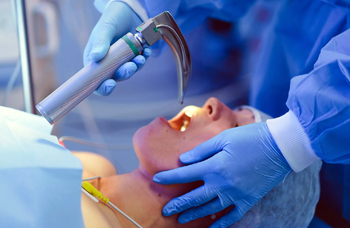
Diagnostic Laryngeal Scopy
Diagnostic laryngeal scopy is a targeted endoscopic examination of the larynx (voice box), vocal cords, and surrounding structures. It helps diagnose voice disorders, throat pain, chronic cough, swallowing problems, and suspected lesions — allowing direct visualisation, documentation, and targeted biopsy when required.
What is Diagnostic Laryngeal Scopy?
Diagnostic laryngeal scopy uses a flexible or rigid endoscope with a light source and camera to inspect the larynx, vocal folds, subglottis, and adjacent areas. The procedure can be performed in the clinic (flexible laryngoscopy) or in the operating room under anaesthesia (rigid laryngoscopy or microlaryngoscopy) when detailed assessment, stroboscopy, or biopsy is needed.
When is Laryngeal Scopy Recommended?
Types of Laryngeal Scopy
1. Flexible Fibreoptic Laryngoscopy (In-Clinic)
Done awake in the clinic using a thin flexible scope passed through the nose. Quick, well tolerated with topical anaesthetic spray, and allows dynamic assessment of swallowing and voice.
2. Rigid Laryngoscopy / Microlaryngoscopy (OR)
Performed under general anaesthesia using a rigid endoscope and operating microscope. Enables superior image quality, stroboscopy, precise biopsy, and microsurgery of the vocal cords.
3. Stroboscopy / Videostroboscopy
High-speed or strobe light examination used to assess vocal fold vibration — essential for professional voice evaluation and subtle disorders.
Common Symptoms Prompting Laryngeal Evaluation
How the Procedure Is Performed
Flexible laryngoscopy is usually an office procedure; rigid laryngoscopy is done under anaesthesia when intervention is planned.
Images or video clips are often recorded for documentation and to guide therapy (voice therapy, surgery, or medical treatment).
Common Endoscopic Findings
Benefits of Diagnostic Laryngeal Scopy
Preparation & Aftercare
Preparation
Aftercare
Risks & Limitations
Why Choose Dr. Shrekha Padmakshan?
Dr. Shrekha Padmakshan provides expert laryngeal assessment using modern flexible scopes, stroboscopy and microlaryngoscopic techniques. Care is personalised — from accurate diagnosis to voice rehabilitation or microsurgery when needed.
If you experience persistent voice changes, throat discomfort, noisy breathing, or swallowing difficulties, book a diagnostic laryngeal scopy for a precise evaluation and personalised management plan.