
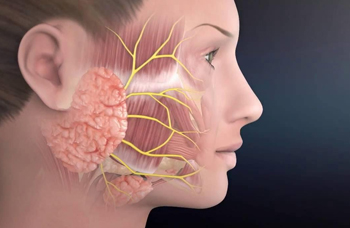
Parotid Surgery
Parotid surgery involves the removal of benign or malignant tumors, cysts, or chronic infections affecting the parotid gland — the largest salivary gland located in front of the ear. The procedure requires high precision to preserve the facial nerve, which passes through the gland and controls facial movements.
What is Parotid Surgery?
Parotid surgery (Parotidectomy) is a specialized operation to remove abnormal growths or diseased tissue from the parotid gland. It is performed to treat benign tumors (like pleomorphic adenoma), malignant lesions, recurrent infections, or obstructive salivary gland diseases. Preservation of facial nerve function is the primary goal of the surgery.
When Is Parotid Surgery Needed?
Types of Parotid Surgery
1. Superficial Parotidectomy
Removal of the tumor or diseased tissue from the outer (superficial) lobe while preserving the facial nerve. Common for benign tumors.
2. Total Parotidectomy
Removal of both superficial and deep lobes of the parotid gland, usually required for malignant or extensive tumors.
3. Partial Parotidectomy
Selective removal of the affected portion only, preserving healthy gland tissue when possible.
4. Extracapsular Dissection
A minimally invasive option for small benign tumors located away from the facial nerve.
Symptoms Suggesting Parotid Gland Disease
Common Causes
Diagnosis & Evaluation
Accurate diagnosis helps determine the type of surgery required and ensures safe facial nerve preservation.
How Parotid Surgery Is Performed
Parotidectomy is performed under general anesthesia. The incision is designed along natural skin creases (modified Blair incision) to ensure a cosmetically pleasing result.
Surgery duration varies with tumor size and depth but is generally safe with an experienced head-neck surgeon.
Possible Risks & Complications
Recovery & Aftercare
Why Choose Dr. Shrekha Padmakshan?
Parotid surgery requires expert anatomical knowledge and delicate nerve preservation. Dr. Shrekha Padmakshan provides safe, precise, and cosmetically superior parotidectomy with advanced techniques.
If you notice a persistent swelling near the ear or jaw, facial weakness, or recurrent salivary infections, schedule a consultation for accurate diagnosis and expert surgical management.