
Diagnostic Nasal Scopy
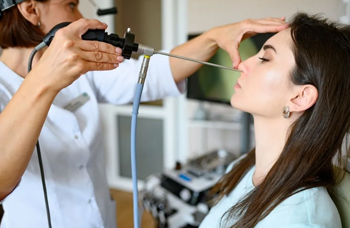
Diagnostic Nasal Scopy, also called nasal endoscopy or nasal scopy, is a simple, office-based procedure that uses a thin endoscope to examine the nasal cavity and sinus openings. It provides high-definition visualization of internal nasal anatomy to diagnose nasal obstruction, sinus disease, polyps, bleeding sources, and other sinonasal conditions.
What is Diagnostic Nasal Scopy?
Diagnostic nasal scopy is performed using a rigid or flexible nasal endoscope with a light source and camera. The endoscope is gently passed through the nostril to inspect the mucosa, turbinates, septum, sinus ostia, nasopharynx, and any abnormal lesions. Images can be recorded for documentation and to guide treatment decisions.
When is Nasal Scopy Recommended?
1. Nasal Obstruction or Chronic Congestion
To identify causes such as deviated septum, turbinate hypertrophy, or polyps.
2. Recurrent or Chronic Sinusitis
To assess sinus openings, inflammation, and presence of pus or polyps.
3. Nasal Bleeding (Epistaxis)
To locate bleeding source and evaluate vascular areas.
4. Suspicious Lesions or Masses
To inspect, biopsy, and plan further management for tumors or polyps.
5. Postoperative Follow-up
To monitor healing after sinus or nasal surgery and perform suction/cleaning.
6. Evaluation of Smell Disorders
To check for obstruction or mucosal disease affecting the olfactory region.
Symptoms That May Require Nasal Scopy
How the Procedure Is Performed
Diagnostic nasal scopy is quick, generally well tolerated, and often performed in an outpatient clinic:
The procedure usually takes 5–15 minutes and most patients resume normal activities immediately afterward.
Common Endoscopic Findings
Benefits of Diagnostic Nasal Scopy
Preparation & Aftercare
Preparation
Aftercare
Risks & Limitations
Why Choose Dr. Shrekha Padmakshan?
Dr. Shrekha Padmakshan offers expert nasal endoscopy with modern endoscopes and immediate, practical guidance based on real-time findings to plan medical or surgical care efficiently.
If you have persistent nasal symptoms, recurrent sinus infections, or unexplained nosebleeds, schedule a diagnostic nasal scopy for a focused, accurate evaluation and a clear plan for treatment.