
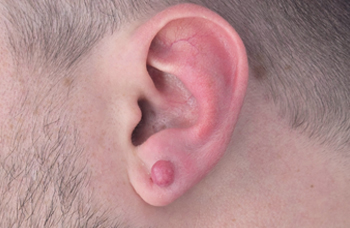
Ear Keloid Excision
Ear keloid excision is a focused cosmetic and reconstructive procedure to remove thick, raised scar tissue (keloids) that commonly develop on the earlobes after ear piercing, trauma or surgery. Treatment aims to relieve pain, itching, and cosmetic concerns while minimising recurrence through combined therapies.
What Are Keloids & Why Treat Them?
Keloids are benign overgrowths of scar tissue that extend beyond the original wound boundaries. They may be itchy, tender, or cosmetically distressing and can continue to grow over time. Earlobes are a common site because of piercings and repeated trauma. Excision combined with adjuvant therapies offers the best chance for symptom relief and a cosmetically acceptable result.
Types & Presentations of Ear Keloids
1. Lobe Keloids
Develop on the soft earlobe, often after piercing; may hang or be sessile.
2. Helical/Cartilage Keloids
Form along the rim (helix) or cartilage after trauma, surgery, or piercing.
3. Recurrent Keloids
Keloids that return after prior treatment — typically need combined approaches.
Symptoms & Common Causes
Symptoms
Common Causes & Risk Factors
Treatment Options for Ear Keloids
Treatment is tailored to keloid size, prior treatments, and patient preference. Combined strategies reduce recurrence rates.
Non-surgical Treatments
Surgical Excision with Adjuvant Therapy
Surgical removal offers immediate contour improvement but must be combined with additional measures to lower recurrence.
Choosing the Right Plan
Your surgeon will discuss the pros and cons of each option, recurrence risks, downtime, and cosmetic expectations to choose the best multi-modal plan.
Prevention & Aftercare
Why Choose Dr. Shrekha Padmakshan for Ear Keloid Care?
Dr. Shrekha Padmakshan offers experienced, evidence-based care for keloid management using combined surgical and non-surgical strategies to achieve the best cosmetic and functional outcomes with the lowest possible recurrence.
If you have an ear keloid causing discomfort or cosmetic concern, book a consultation to discuss the best individualized treatment plan. Early intervention and a combined approach give the best chance of success.